
Get Chimney Installation
Chimney installation services help property owners solve venting and safety issues by installing new chimneys or updating existing ones for fireplaces, stoves, or heating systems.
If you’re considering chimney installation for your property, you’re in the right place to explore your options. Property owners often look into installing or upgrading chimneys to improve home comfort, enhance aesthetic appeal, or support the use of fireplaces and heating appliances. Planning such projects involves evaluating different approaches and understanding the benefits of working with experienced local contractors who can provide tailored solutions for your specific needs.
This page connects you with local service providers who specialize in chimney installation services. Comparing your options helps ensure you find the right fit for your project, whether it’s a new installation or an upgrade to an existing chimney system. Keep reading to learn more about what to consider when planning your chimney project and how to find trusted local contractors to handle the work.
- Chimney relining - needed when existing chimney liners have deteriorated or become unsafe.
- Chimney cap installation - required to prevent debris, animals, and water from entering the chimney.
- Chimney repair - necessary when cracks, leaks, or damage compromise the chimney’s integrity.
- Chimney cleaning - recommended to remove creosote buildup and ensure proper venting.
- Chimney flashing replacement - needed when flashing is damaged or leaks develop around the chimney base.
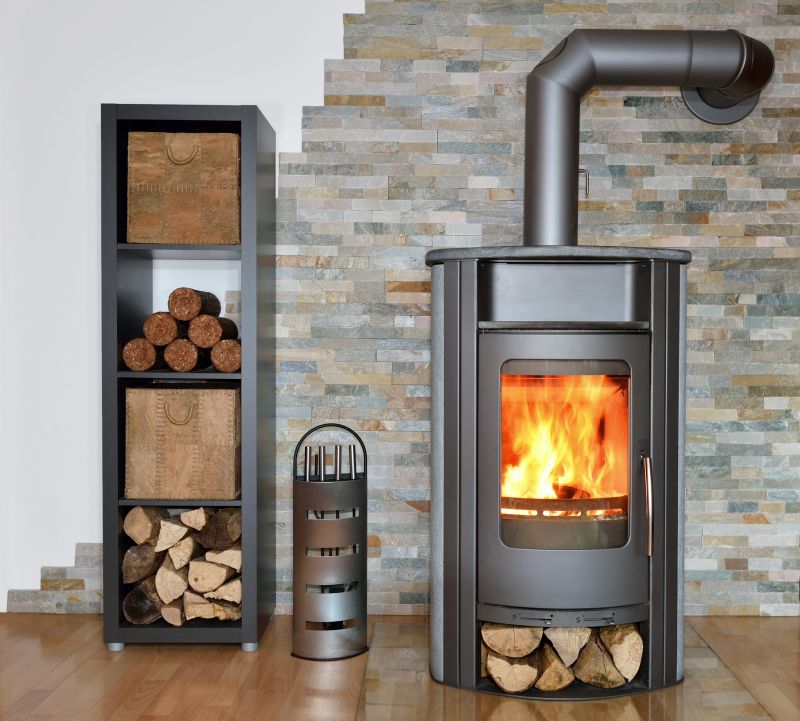
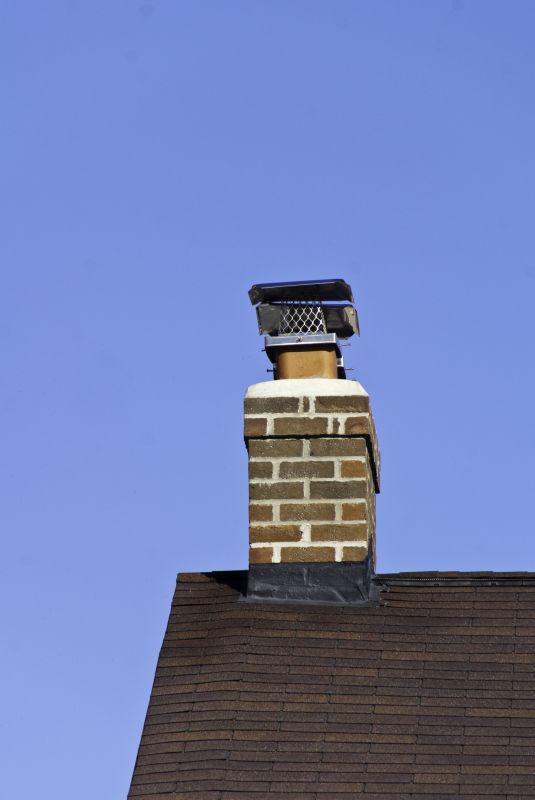
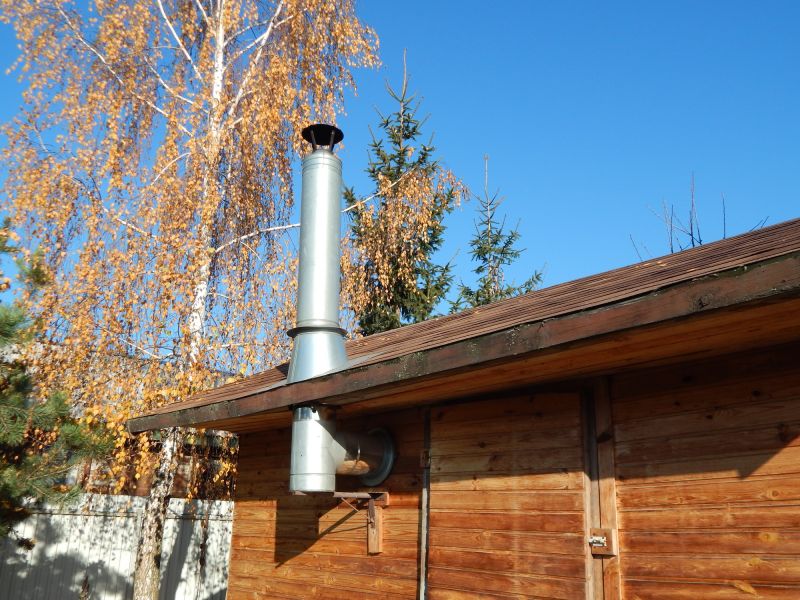
Chimney installation services involve the construction, setup, and fitting of new chimneys or the replacement of existing ones. This process ensures that a property has a properly functioning chimney system that safely vents smoke, gases, and other byproducts of indoor fires or heating appliances. Professional contractors evaluate the structure and design of a property to determine the appropriate chimney type and placement, ensuring it integrates seamlessly with the building’s architecture. Proper installation by experienced service providers helps guarantee that the chimney operates efficiently and meets safety standards.
These services are essential for addressing common problems such as poor ventilation, smoke backdrafts, or leaks that can develop over time. An outdated or damaged chimney can lead to smoke entering living spaces, increased indoor air pollution, or even fire hazards. Installing a new chimney or upgrading an existing one can resolve these issues, providing a safer and more reliable way to enjoy fireplaces, wood stoves, or other heating appliances. Local contractors can also identify and correct structural issues that may compromise the chimney’s performance, helping to prevent costly repairs down the line.
Chimney installation is often sought for residential properties, including single-family homes, townhouses, and historic houses. These properties typically rely on fireplaces, wood stoves, or pellet stoves as primary or supplementary heating sources. Commercial buildings, such as restaurants with brick fireplaces or cafes with decorative chimneys, may also require professional installation services. Whether a property is new construction or undergoing renovation, experienced service providers can tailor chimney solutions to fit the specific needs of the structure and its heating appliances.
Homeowners might consider chimney installation services if they are experiencing drafts, smoke odors inside the house, or visible damage to their existing chimney. Additionally, those planning to install a new fireplace or upgrade an old one often need a new chimney system to ensure proper venting. By working with local contractors, homeowners can find the right solutions for their property’s size, style, and heating requirements. Properly installed chimneys not only improve safety but also enhance the overall functionality and comfort of a home or commercial space.
The overview below groups typical Chimney Installation projects into broad ranges so you can see how smaller, mid-sized, and larger jobs often compare in your area.
In many markets, a large share of routine jobs stays in the lower and middle ranges, while only a smaller percentage of projects moves into the highest bands when the work is more complex or site conditions are harder than average.
Smaller Repairs - minor chimney repairs such as flashing or crown fixes typically cost between $250 and $600. Many routine jobs fall within this range, depending on the extent of the work needed. Fewer projects reach the higher end of this spectrum.
Chimney Cleaning - professional cleaning services usually range from $150 to $300 for standard inspections and soot removal. Most homeowners find their cleaning costs in this middle band, with occasional jobs costing more for heavily sooted or difficult-to-access chimneys.
Full Chimney Rebuild - complete rebuilds or extensive repairs can cost from $2,500 to $5,000 or more. Larger, more complex projects tend to push into the higher tiers, while simpler rebuilds often stay in the lower to mid-range.
Full Chimney Replacement - replacing an entire chimney structure generally costs between $4,000 and $10,000, depending on size and materials. Many projects fall into the middle of this range, with larger or custom installations reaching higher prices.
Actual totals will depend on details like access to the work area, the scope of the project, and the materials selected, so use these as general starting points rather than exact figures.
Chimney Repair Projects - local contractors skilled in chimney repair work often use similar tools and planning methods as those needed for installation services.
Fireplace Installation Services - installing fireplaces requires expertise in venting, clearances, and structural considerations similar to chimney setup.
Flue and Venting System Installation - professionals handling venting systems for appliances share techniques with chimney installation, including planning and safety measures.
Masonry and Chimney Rebuilding - masonry skills are essential for both rebuilding and installing chimneys, involving similar planning and construction techniques.
Venting System Upgrades - upgrading venting systems for appliances involves planning and installation skills comparable to chimney construction.
Skylight and Roof Vent Installation - installing roof vents and skylights requires similar planning, cutting, and sealing skills as chimney installation projects.
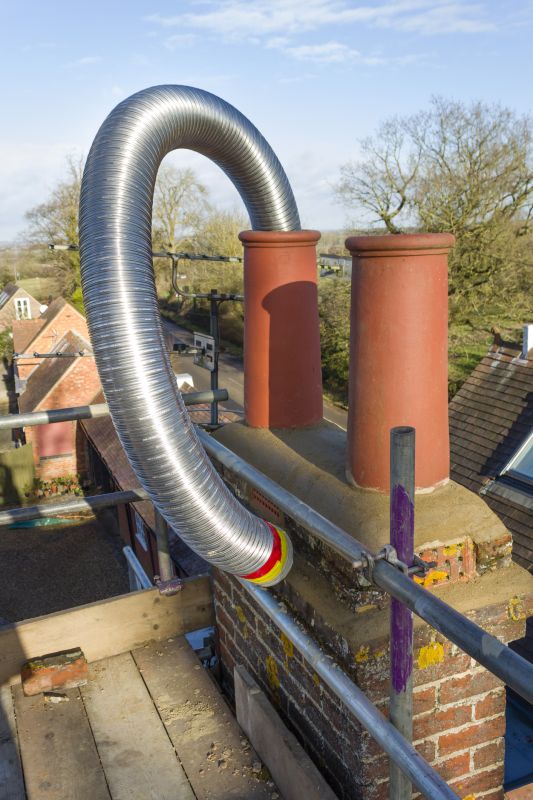
When comparing local contractors for chimney installation, it’s important to evaluate their experience with similar projects. Homeowners should look for service providers who have a proven track record of handling chimney installations comparable to the scope and style of their own home. A contractor’s familiarity with different chimney types, building codes, and installation techniques can contribute to a smoother process and a more successful outcome. Gathering information about their past work or asking about specific projects can help determine if they have the relevant expertise needed for the job.
Clear, written expectations are essential when choosing a service provider. Homeowners should seek out contractors who provide detailed estimates that outline the scope of work, materials to be used, and any other relevant details. Having this information in writing helps prevent misunderstandings and ensures everyone is aligned on what will be done. It’s also beneficial to clarify the process, including timelines and responsibilities, so that expectations are transparent from the start.
Reputable references and good communication are key factors in selecting a reliable contractor. Homeowners should ask for references from recent clients or check online reviews to gain insight into the contractor’s professionalism and quality of work. Additionally, a service provider who communicates clearly and promptly demonstrates a commitment to customer service. Effective communication can make the project more manageable and ensure that questions or concerns are addressed throughout the process. These qualities help build confidence that the contractor will deliver a satisfactory result for the chimney installation.
Property owners use Chimney Installation services for practical projects around their homes and businesses. This guide focuses on everyday jobs and straightforward project options.
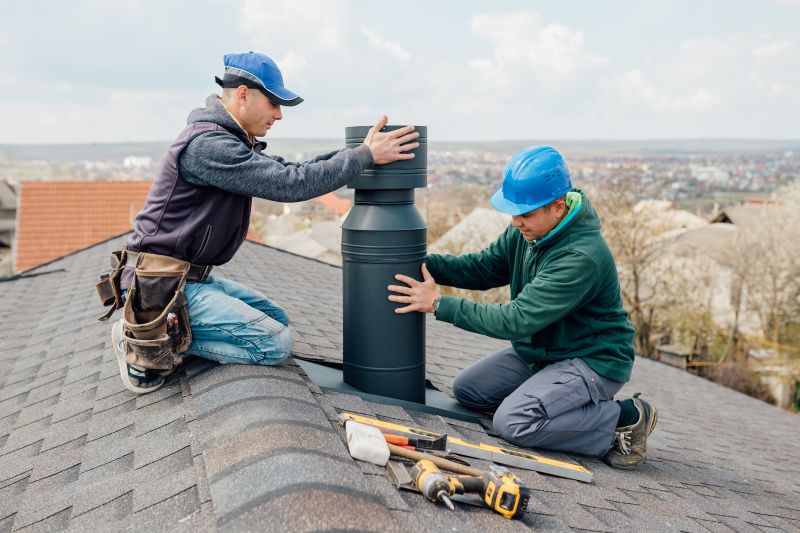
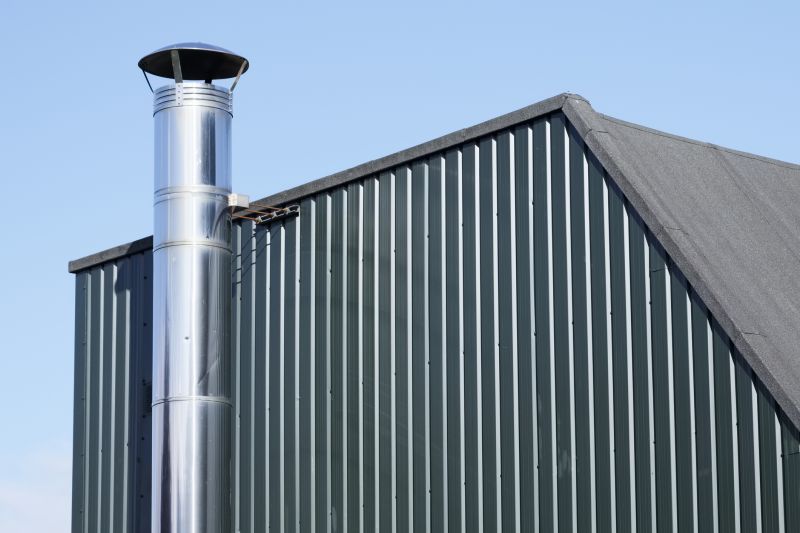
Chimney installation services are often sought by property owners who are updating or replacing outdated chimneys to improve safety and functionality. Homeowners may also look for local contractors when building new structures that require proper venting solutions, or when they notice issues like drafts, leaks, or smoke backup that indicate the need for a professional assessment. Whether for a renovation project or new construction, local service providers can assist with ensuring chimneys are installed correctly to meet the specific needs of each property.
In addition, property owners might seek chimney installation services after experiencing damage from weather events or aging components that no longer perform reliably. Some may want to upgrade their existing chimneys to better accommodate modern fireplaces or heating appliances. Local contractors are available to handle these projects, providing expertise to help ensure the chimney functions efficiently and safely, tailored to the unique requirements of each home or building.
What are the main types of chimneys available for installation? Local contractors can install various chimney types, including masonry, metal, and prefab chimneys, to suit different home needs and preferences.
How do I determine the appropriate chimney size for my home? Service providers can assess your home's heating system and space to recommend a chimney size that ensures proper venting and safety.
What materials are commonly used in chimney installation? Contractors typically work with materials such as brick, stainless steel, and aluminum to ensure durability and effective venting.
Are there any building codes or regulations to consider for chimney installation? Local pros are familiar with regional building codes and can ensure the chimney installation complies with all relevant standards.
What steps are involved in the chimney installation process? The process generally includes site assessment, selecting appropriate materials, fitting the chimney, and ensuring proper venting and safety measures.
Chimney Installation for New Homes - Property owners building a new residence can find local contractors to install a chimney that complements their design and meets functional needs.
Upgrading Existing Chimneys - Homeowners looking to improve draft or efficiency may seek local service providers to upgrade or replace their current chimney systems.
Adding a Fireplace or Stove - Those installing a new fireplace or wood stove can find local pros to handle the chimney setup for safe and proper venting.
Installing Venting for Appliances - Property owners installing appliances like boilers or water heaters requiring venting can connect with local contractors experienced in chimney installation.
If you are thinking about Chimney Installation for a property, this guide is meant to help you understand the work, the typical project types, and how different options might fit your plans.
When you are ready, you can use the quote form on this page to share a few details about your project. From there, local pros can review the basics and respond with options that match what you have in mind.