
Get Gas Line Relocation
Gas line relocation services help property owners safely move or adjust underground or overhead gas lines during construction, renovation, or site improvements by connecting with experienced local contractors.
If you’re considering relocating a gas line on your property, you’re in the right place to explore your options. Property owners in the area often undertake gas line relocations to accommodate renovations, expand outdoor living spaces, or improve safety and accessibility. Planning such a project involves understanding local regulations and finding experienced contractors who can handle the job efficiently. Continuing to read can help you compare local service providers and gather the information needed to make informed decisions about your gas line relocation.
Connecting with qualified local contractors can make the process smoother and ensure the work aligns with your property’s specific needs. Whether you’re updating your landscape, constructing new structures, or addressing safety concerns, professionals in the area can provide guidance and expertise. Keep exploring to discover trusted service providers who can assist with your gas line relocation project and help you move forward with confidence.
- Gas Line Relocation for Renovations - when remodeling a property requires rerouting existing gas lines to accommodate new layouts.
- Emergency Gas Line Repairs - in cases where a gas line has been damaged or is leaking, requiring prompt professional relocation or repair.
- Property Expansion Projects - when adding new structures or extensions that necessitate moving gas lines to ensure safety and code compliance.
- Utility Upgrades - during upgrades to existing gas systems, including rerouting lines to meet new standards or improve efficiency.
- Hazardous Gas Line Situations - when a gas line poses safety risks due to corrosion, damage, or improper installation, prompting professional relocation by local contractors.
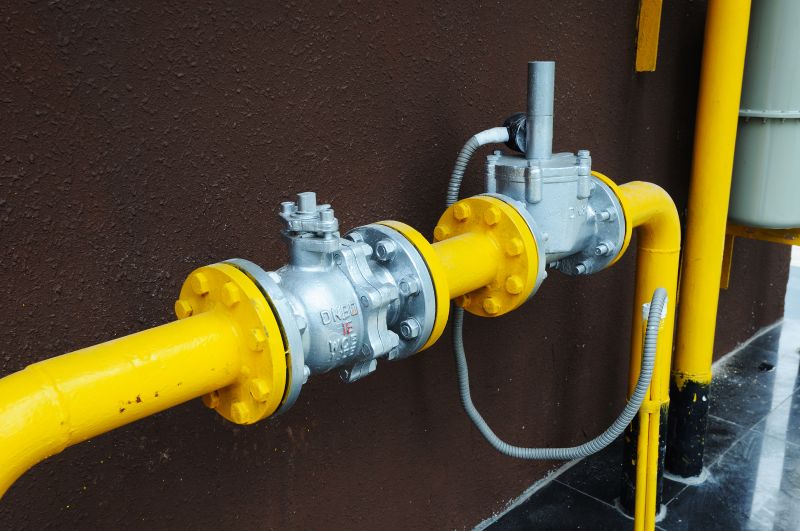
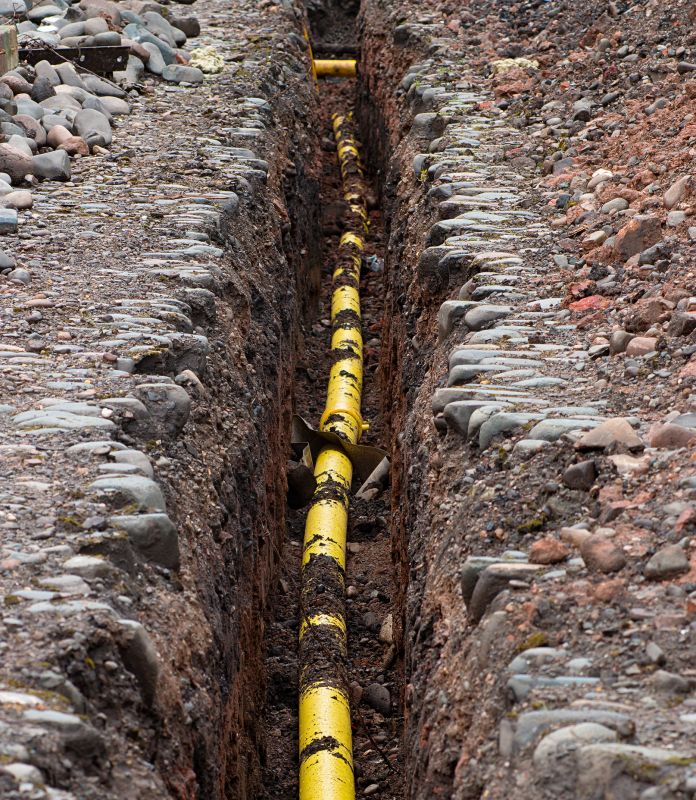
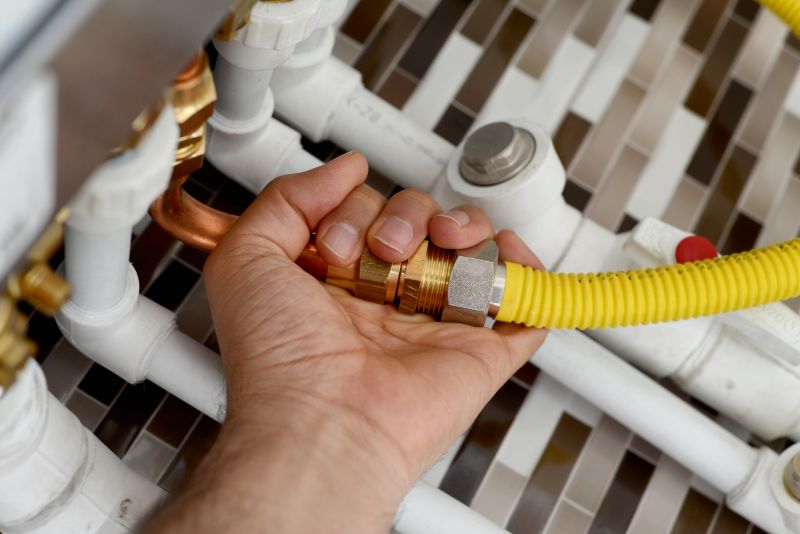
Gas line relocation services involve the careful process of moving existing natural gas lines from one location to another on a property. This work typically requires excavating the area to access the underground gas pipes, disconnecting the lines safely, and then rerouting them to a new position as specified by the property owner or project plan. Skilled service providers ensure that the relocation is performed in accordance with safety standards and local regulations, minimizing risks associated with underground utilities. Whether the move is part of a home renovation, addition, or other construction project, experienced contractors can handle the complexities involved in safely shifting gas lines.
Relocating a gas line can help resolve several common problems that arise with existing underground utilities. For example, if a new structure or extension is planned on a property, the original gas line placement might interfere with the construction. In such cases, moving the line ensures the project can proceed without delays or safety concerns. Additionally, gas line relocation may be necessary if the current routing is causing accessibility issues, or if there are safety hazards due to proximity to other underground utilities or structures. Proper relocation helps prevent potential leaks, damage, or service disruptions, making it a practical solution for property owners facing these challenges.
This service is often used on residential properties, especially those undergoing large-scale renovations, property expansions, or new additions that require rerouting existing utilities. Commercial properties and industrial sites may also need gas line relocation when expanding facilities or modifying layouts. Typically, properties with underground gas infrastructure that needs to be moved away from future construction zones or areas with limited access are common candidates. Homeowners planning to build new garages, patios, or outdoor kitchens, or those upgrading their property, may find gas line relocation essential to ensure safety and compliance with local codes.
When considering gas line relocation, property owners should understand that the work involves careful planning and execution by experienced local contractors. It is often necessary when existing gas lines interfere with new construction, landscaping projects, or property improvements. This service helps address problems related to space constraints, safety hazards, or utility conflicts, allowing for smoother development and use of the property. Whether for residential, commercial, or industrial properties, professional gas line relocation ensures the job is done safely and efficiently, helping property owners move forward with their plans without unnecessary complications.
The overview below groups typical Gas Line Relocation projects into broad ranges so you can see how smaller, mid-sized, and larger jobs often compare in your area.
In many markets, a large share of routine jobs stays in the lower and middle ranges, while only a smaller percentage of projects moves into the highest bands when the work is more complex or site conditions are harder than average.
Smaller Repairs - For minor gas line relocations, local contractors typically charge between $250 and $600. Many routine jobs fall within this range, especially when only a short section of pipe needs adjustment or rerouting.
Moderate Projects - Medium-scale relocations, such as moving a gas line across a larger area or around obstacles, often cost between $600 and $1,500. These projects are common and usually involve more planning and materials.
Large or Complex Jobs - Larger, more complex gas line relocations can reach $1,500 to $3,000 or more, especially if permits, extensive digging, or additional work is required. Fewer projects push into this higher range, reflecting increased scope and difficulty.
Full Replacement or Major Overhauls - Complete gas line replacements or extensive rerouting can cost $3,000 to $5,000+ depending on the size of the property and complexity. These projects are less frequent but involve significant work and planning by local service providers.
Actual totals will depend on details like access to the work area, the scope of the project, and the materials selected, so use these as general starting points rather than exact figures.
Underground Utility Installation - Local contractors skilled in installing various underground utilities can handle projects involving the placement and rerouting of gas lines, requiring similar planning and excavation expertise.
Excavation and Site Preparation - Professionals experienced in excavation work can assist with preparing sites for gas line relocation, ensuring proper trenching and safety measures are in place.
Foundation and Basement Work - Contractors who perform foundation repairs or basement remodeling often work with underground utilities, sharing skills in digging, trenching, and utility coordination.
Water Line and Sewer Line Replacement - These projects involve similar excavation and utility management skills as gas line relocation, often requiring careful planning and precise underground work.
Landscape Drainage and Irrigation Installation - Installing underground drainage or irrigation systems involves trenching and underground utility work, making it comparable to gas line rerouting tasks.
Electrical Conduit and Cable Installation - Installing underground electrical lines shares techniques in trenching, safety protocols, and utility planning with gas line relocation projects.
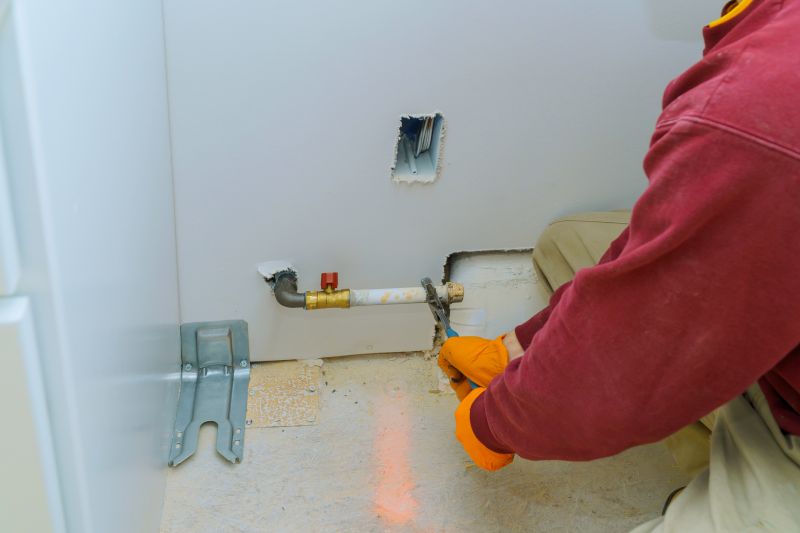
When comparing service providers for gas line relocation, it’s important to consider their experience with similar projects. Homeowners should look for local contractors who have a proven track record of handling gas line modifications in residential settings. An experienced professional will be familiar with common challenges and best practices, which can contribute to a smoother process and help ensure the work is completed safely and effectively.
Clear written expectations are a key factor in choosing the right contractor. Homeowners should seek providers who communicate their scope of work, the steps involved, and any necessary preparations in detail. Having a transparent understanding of what the project entails helps prevent misunderstandings and ensures everyone is on the same page from the start.
Reputable references and strong communication are also essential when evaluating local service providers. Homeowners can ask for references or reviews from past clients to gauge the quality of work and professionalism. Good communication-such as prompt responses and clarity in explaining options-can make the entire process more straightforward and less stressful. It’s important to remember that this site introduces homeowners to local pros who are capable of handling gas line relocation projects; it does not perform the work itself.
Property owners use Gas Line Relocation services for practical projects around their homes and businesses. This guide focuses on everyday jobs and straightforward project options.
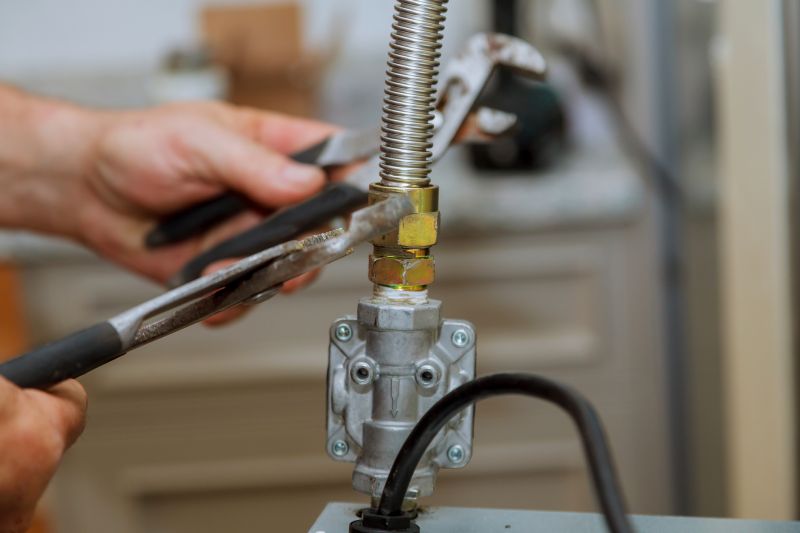
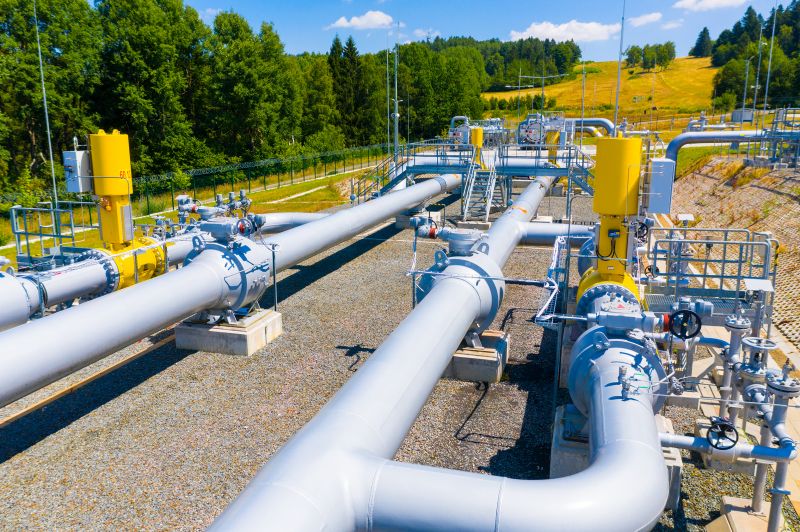
Gas line relocation services are often needed when property owners plan renovations, additions, or landscaping projects that interfere with existing underground utilities. Whether expanding a driveway, building a new structure, or installing a pool, local contractors can handle the safe and efficient movement of gas lines to accommodate these changes. These services help ensure that new construction or modifications are compliant with local codes and do not disrupt existing utility connections.
Homeowners and property managers may also seek gas line relocation to improve safety or accessibility around their property. For example, moving a gas line away from a new patio or driveway can prevent potential hazards and make maintenance easier. Local service providers are equipped to assess the site, coordinate with utility companies, and perform the work with minimal disruption to daily activities.
Why might I need gas line relocation services? Gas line relocation may be necessary when remodeling, expanding, or upgrading a property to ensure safety and compliance with local regulations.
What factors should I consider when planning a gas line relocation? It's important to evaluate the property's layout, access points, and the purpose of the new gas line placement to determine the best approach.
How do local contractors ensure safety during gas line relocation? Professional service providers follow safety protocols and industry standards to safely handle gas lines during the relocation process.
Can gas line relocation affect other utilities or structures? Yes, relocating a gas line may require adjustments to nearby utilities or structures; experienced contractors assess these considerations beforehand.
How can I find qualified local service providers for gas line relocation? This website can help connect with local contractors who specialize in gas line services and can handle your project professionally.
Property Renovation Planning - When updating a kitchen or bathroom, property owners may need to relocate gas lines to accommodate new layouts or fixtures.
Outdoor Living Projects - Installing a new patio, fire pit, or outdoor kitchen might require moving existing gas lines to ensure safety and proper access.
Garage or Workshop Setup - Setting up a new garage or workshop space could involve rerouting gas lines to connect appliances or heating systems.
Landscaping and Yard Improvements - Large-scale landscaping or garden projects may necessitate adjusting gas line routes to prevent interference with new structures or features.
If you are thinking about Gas Line Relocation for a property, this guide is meant to help you understand the work, the typical project types, and how different options might fit your plans.
When you are ready, you can use the quote form on this page to share a few details about your project. From there, local pros can review the basics and respond with options that match what you have in mind.