
Get Generator Installation
Generator installation services help property owners set up reliable backup power systems for homes or businesses, handling projects like new installations, upgrades, and system repairs.
If you’re considering generator installation for your property, you’re in the right place to start exploring your options. Proper planning is key to ensuring your property has reliable backup power, whether for essential appliances, security systems, or comfort during outages. By comparing local contractors who specialize in generator setup, property owners can find the services that best match their specific needs and property requirements, helping to make informed decisions for a successful project.
Understanding the practical benefits of installing a generator can help guide your planning process. Local service providers can assist with evaluating your property’s power needs, selecting appropriate equipment, and managing the installation process. Keep reading to discover how to connect with experienced professionals in your area who can support your project from start to finish.
- Generator installation - when a property owner needs a reliable backup power source for their home or business.
- Whole-house generator setup - for those seeking an automatic power solution that activates during outages.
- Commercial generator installation - when a business requires continuous power to maintain operations.
- Portable generator setup - for events, construction sites, or temporary power needs.
- Generator replacement or upgrade - when existing units are outdated, inefficient, or no longer meet power demands.
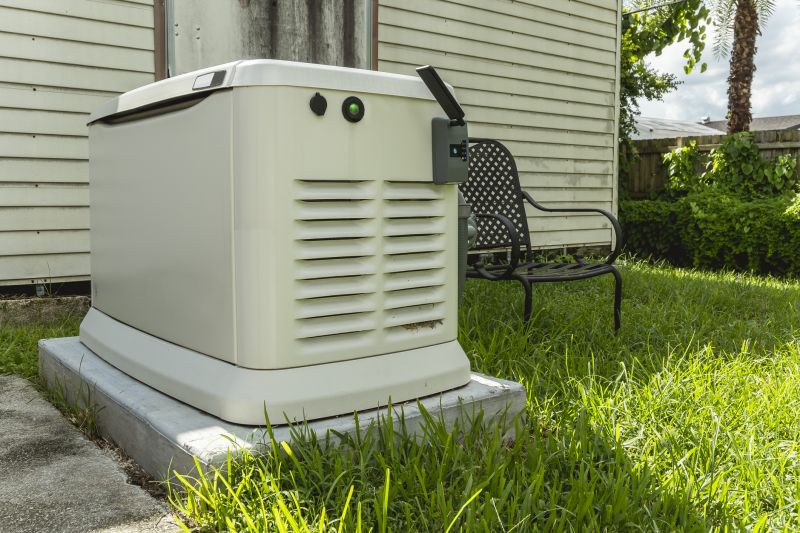
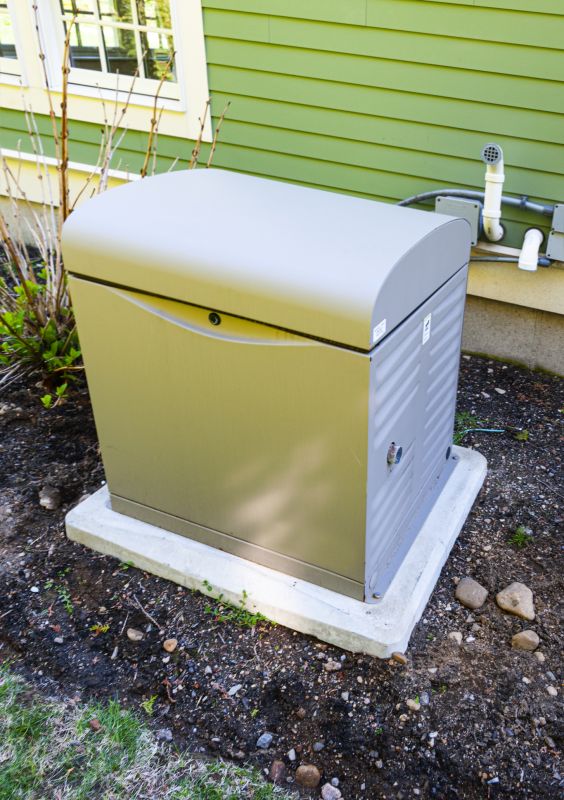
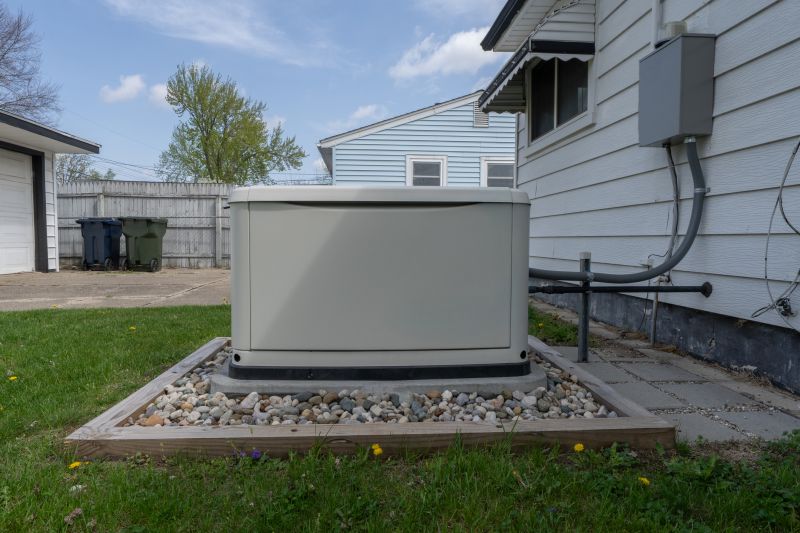
Generator installation services involve setting up a backup power system that can automatically or manually supply electricity to a property during outages. This process includes selecting the appropriate generator size and type, preparing the site, and ensuring proper connection to the existing electrical system. Professional contractors handle all aspects of installation to ensure the generator functions safely and efficiently, providing peace of mind when the power goes out. Proper installation is essential to prevent electrical issues and to make sure the generator operates reliably when needed.
These services help address common problems associated with power outages, such as spoiled food, disrupted heating or cooling, and the inability to operate essential appliances or medical devices. In areas prone to frequent or lengthy outages, a generator can be a vital addition, ensuring continuous power supply for critical needs. Installing a generator can also help prevent business interruptions for home-based work or home-based businesses, maintaining productivity during power failures.
Generator installation is often sought by homeowners who want to ensure their household remains functional during emergencies. Properties that typically use these systems include single-family homes, multi-unit residences, and vacation properties in areas where power interruptions are common. Additionally, properties with home offices, medical equipment, or other essential electronic devices benefit from having a reliable backup power source. Local contractors can assess the specific needs of each property to recommend the right generator setup.
Choosing to have a generator installed can be a practical solution for those wanting to enhance their home's resilience against power disruptions. Service providers experienced in generator installation can help determine the appropriate type and size of generator based on the property’s size and power requirements. Whether for a small home or a larger residence with multiple appliances, professional installation ensures the system is correctly integrated into the existing electrical setup, providing dependable backup power when it’s needed most.
The overview below groups typical Generator Installation projects into broad ranges so you can see how smaller, mid-sized, and larger jobs often compare in your area.
In many markets, a large share of routine jobs stays in the lower and middle ranges, while only a smaller percentage of projects moves into the highest bands when the work is more complex or site conditions are harder than average.
Smaller Repairs - Typical costs for routine generator repairs or minor installations range from $250 to $600. Many local contractors handle these smaller jobs efficiently within this range, though prices can vary based on specific needs.
Partial Replacement - Replacing a component or upgrading parts of a generator usually falls between $600 and $2,000. Projects of this size are common and often depend on the generator’s model and the scope of work involved.
Full Generator Replacement - Complete replacement of an entire generator system generally costs between $3,000 and $7,000. Larger, more complex projects can exceed this range, especially for high-capacity or custom setups.
Large or Complex Installations - Extensive generator installations or custom setups can range from $7,000 to $15,000 or more. These projects are less frequent and typically involve specialized equipment or additional electrical work.
Actual totals will depend on details like access to the work area, the scope of the project, and the materials selected, so use these as general starting points rather than exact figures.
Electrical Panel Upgrades - Upgrading electrical panels requires knowledge of power loads and wiring, similar to installing generators that ensure proper power distribution.
Backup Power System Installations - Installing alternative power systems like battery backups involves planning and wiring skills comparable to generator setup projects.
Home Wiring Projects - Extensive home wiring work shares technical skills and tools used in integrating generators into existing electrical systems.
Electrical System Rewiring - Rewiring homes or commercial spaces involves planning and safety considerations akin to generator installation requirements.
Emergency Power System Setup - Setting up emergency power solutions involves similar planning, wiring, and installation skills as generator projects.
Commercial Electrical Installations - Large-scale electrical installations for businesses often require generator integration and related planning expertise.
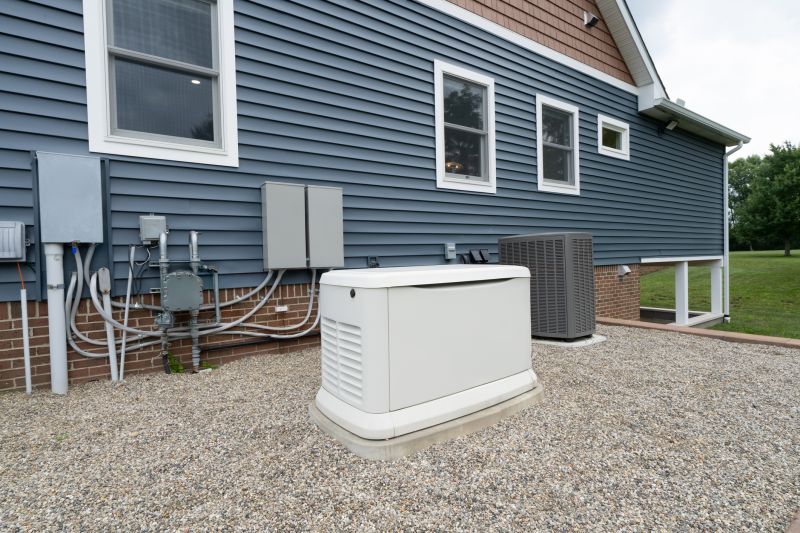
When comparing local contractors for generator installation, it’s important to consider their experience with similar projects. Homeowners should look for service providers who have a proven track record of successfully completing generator installations comparable in size and complexity. An experienced contractor can better anticipate potential challenges, ensure proper system integration, and deliver a smooth installation process. Reviewing the types of projects a local contractor has handled can provide insight into their familiarity with different generator models and electrical systems, helping to identify those with relevant expertise.
Clear, written expectations are essential when evaluating potential service providers. Homeowners should seek detailed descriptions of the scope of work, including what is included and any potential additional costs. Having a comprehensive project outline helps prevent misunderstandings and ensures everyone is aligned on the installation process. Reputable local contractors often provide written estimates or proposals that outline the steps involved, materials to be used, and the timeline, giving homeowners a clear understanding of what to expect throughout the project.
Good communication and reputable references are key indicators of a dependable service provider. Homeowners are encouraged to ask for references from previous clients who had similar generator installation projects. Talking with past customers can reveal insights into the contractor’s professionalism, responsiveness, and quality of work. Additionally, a contractor who communicates clearly and promptly during the inquiry phase is often more likely to maintain that level of communication throughout the project, making the process more transparent and manageable. Remember, these local service providers are introduced as options to consider, not as the ones performing the work directly.
Property owners use Generator Installation services for practical projects around their homes and businesses. This guide focuses on everyday jobs and straightforward project options.
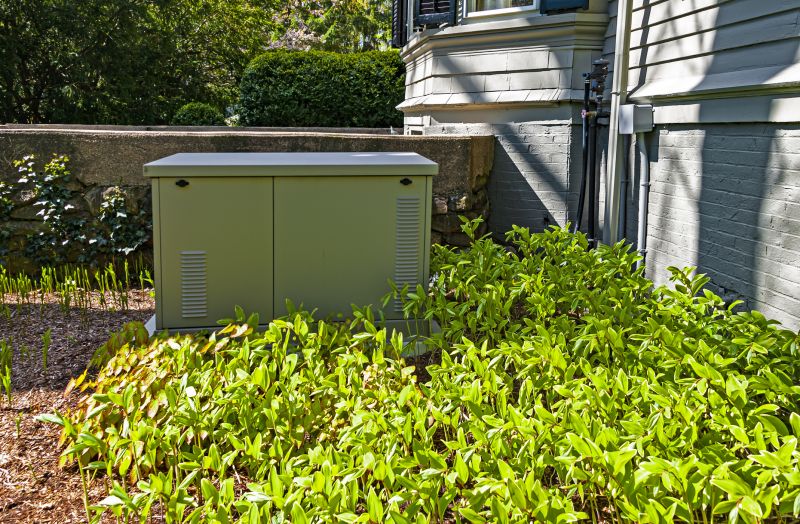
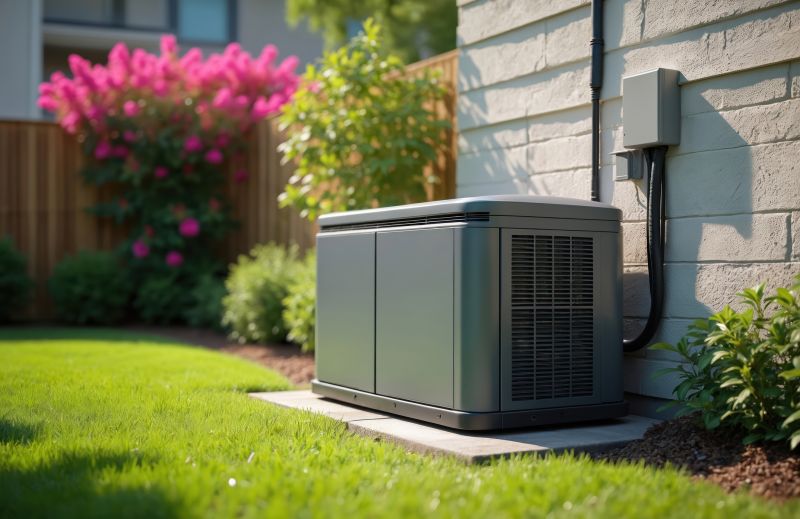
Generator installation services are often needed when property owners experience frequent power outages or want to ensure a reliable energy source during storms and emergencies. Many local residents seek out experienced contractors to install backup generators that can keep essential appliances running and maintain comfort during unexpected outages. Additionally, new property developments or renovations may require the addition of a generator to meet specific energy needs, prompting owners to connect with local service providers who specialize in seamless and efficient installations.
Property owners might also look for generator installation services to enhance their preparedness or to comply with local building codes and safety requirements. Whether upgrading an existing system or installing a generator for the first time, local contractors can help ensure the work is completed properly and safely. These services are commonly sought after for both residential homes and commercial properties aiming to maintain operations and peace of mind regardless of external power issues.
What types of generators can local contractors install? Local service providers can install a variety of generators, including portable, standby, and inverter models, tailored to different power needs and property types.
Is generator installation suitable for residential properties? Yes, many local contractors specialize in residential generator installations to ensure backup power for homes during outages.
What should be considered before installing a generator? Factors such as power requirements, available space, and connection points are important considerations that local pros can help evaluate.
Can generator installation be combined with other electrical services? Yes, local service providers often offer comprehensive electrical solutions, including integration of generators with existing electrical systems.
How do local contractors ensure proper generator setup? They follow industry best practices for placement, wiring, and connection to ensure safe and reliable operation of the generator system.
Emergency Power Backup - A generator installation can provide reliable backup power during outages, ensuring essential appliances and systems stay operational.
Off-Grid Living - Property owners looking to live independently from the grid can use generators to power their homes and outdoor equipment.
Event and Outdoor Activities - Installing a generator allows for continuous power supply during outdoor events or construction projects on the property.
Energy Efficiency Improvements - Upgrading to a generator can help manage energy use more effectively by providing power during peak demand times.
If you are thinking about Generator Installation for a property, this guide is meant to help you understand the work, the typical project types, and how different options might fit your plans.
When you are ready, you can use the quote form on this page to share a few details about your project. From there, local pros can review the basics and respond with options that match what you have in mind.