
Get Livestock Fencing Installation
Local contractors offer livestock fencing installation services that solve containment, safety, and property boundary challenges for farms, ranches, and rural properties.
Livestock fencing installation is a practical solution for property owners seeking to secure their land and manage livestock effectively. Whether establishing boundaries for grazing animals, preventing unwanted intrusions, or organizing a farm layout, choosing the right fencing system is an important step in planning a successful property management project. Local contractors experienced in livestock fencing can provide guidance on suitable materials and installation approaches to meet specific needs.
Exploring options with trusted service providers in the area can help property owners compare different fencing solutions and find the best fit for their goals. Properly installed fencing not only enhances the safety and security of a property but also contributes to efficient land use. Continue reading to learn more about how local fencing specialists can support your project and help you make informed decisions.
- Fencing for Livestock Enclosures - needed when constructing or upgrading areas to safely contain cattle, horses, or other farm animals.
- Pasture Boundary Fencing - required for defining property lines and preventing animals from wandering off.
- Ranch Fencing Installations - essential for large-scale ranches seeking durable barriers to manage livestock across extensive land.
- Garden and Orchard Fencing - used to protect crops from animals and establish clear property boundaries.
- Temporary Fencing for Livestock Events - necessary for short-term enclosures during shows, fairs, or seasonal grazing.
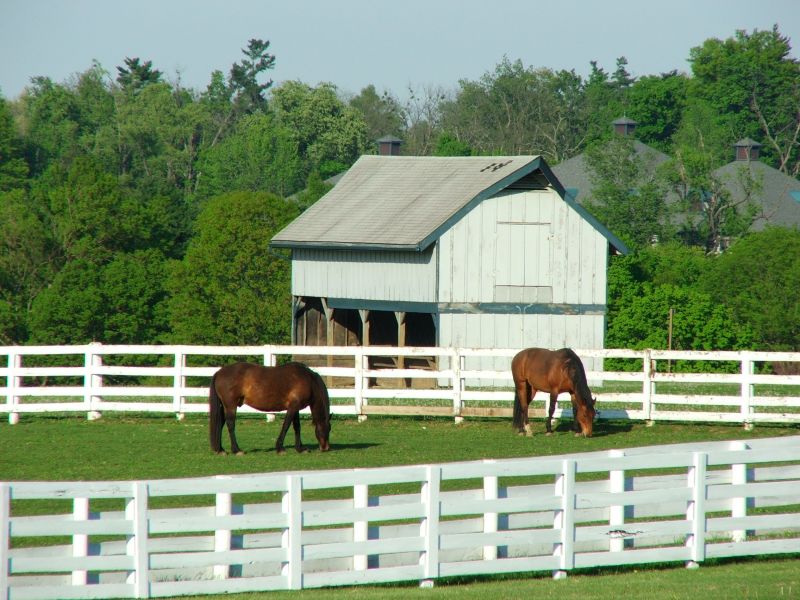
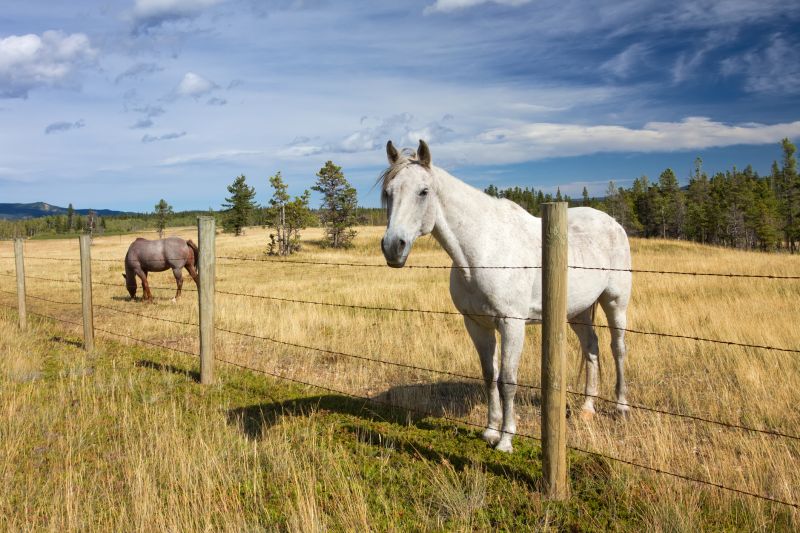
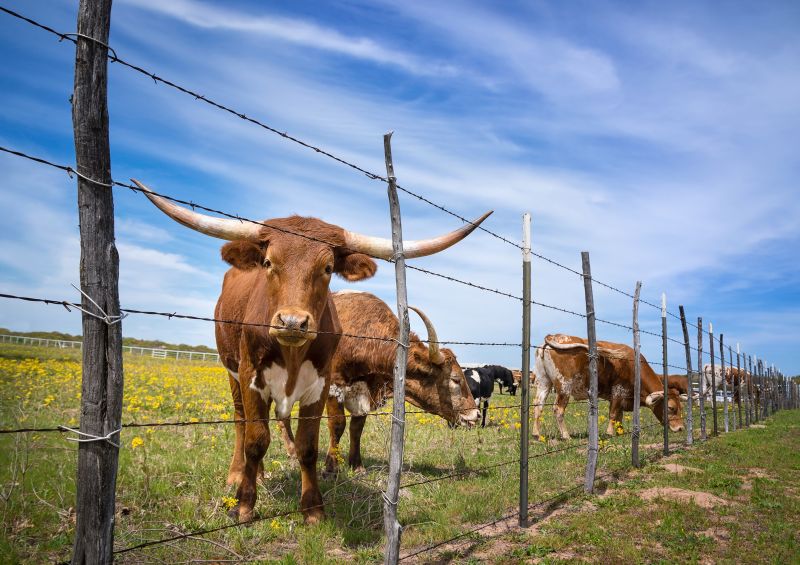
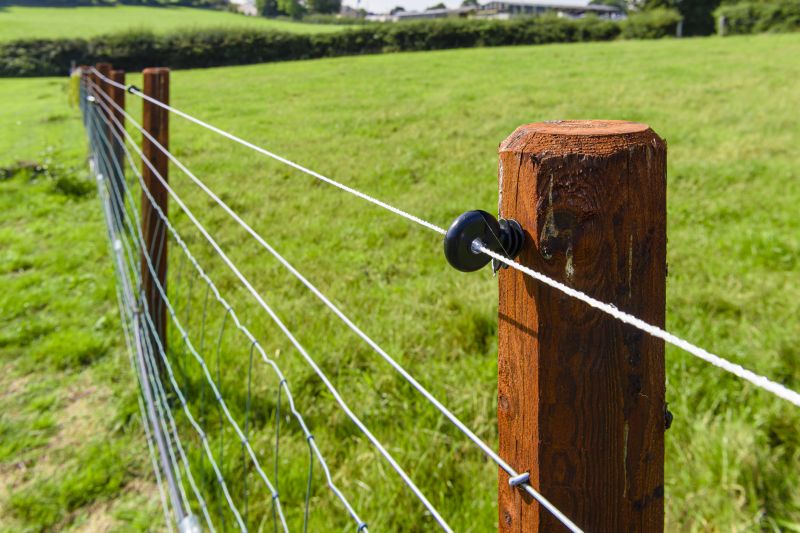
Livestock fencing installation involves setting up durable barriers around a property to contain animals such as cattle, horses, sheep, or goats. This service typically includes selecting the appropriate fencing materials, preparing the land, and securely installing the fencing structure to ensure it remains effective over time. Local contractors may offer a variety of fencing options, including wire, wood, vinyl, or electric fencing, tailored to meet the specific needs of the property and the type of livestock being kept.
This service helps address common problems related to animal containment and property security. Without proper fencing, animals can wander off, risking injury or loss, while unprotected properties may experience issues with trespassing or unwanted wildlife intrusion. Well-installed fencing provides a clear boundary, helps prevent animals from escaping, and can reduce the risk of damage to gardens, landscaping, or neighboring properties.
Properties that typically use livestock fencing include farms, ranches, and rural homes with open land dedicated to animal husbandry. However, even suburban or larger residential properties with backyard farms or hobby livestock can benefit from fencing solutions. The right fencing helps homeowners manage their animals effectively, maintain property boundaries, and ensure safety for both animals and people.
Local service providers specializing in livestock fencing installation can assess a property’s needs, recommend suitable fencing types, and handle the entire installation process. Whether the goal is to contain a small herd or secure a large pasture, these contractors offer practical solutions designed to meet the specific requirements of each property. Contacting local pros can help find the right fencing options to keep animals safe and property boundaries clear.
The overview below groups typical Livestock Fencing Installation projects into broad ranges so you can see how smaller, mid-sized, and larger jobs often compare in your area.
In many markets, a large share of routine jobs stays in the lower and middle ranges, while only a smaller percentage of projects moves into the highest bands when the work is more complex or site conditions are harder than average.
Smaller Repairs - typical costs for minor fencing repairs or adjustments usually range from $250 to $600. Many routine jobs fall within this middle range, depending on the extent of the work needed.
Standard Fence Installation - installing a new livestock fence generally costs between $1,500 and $4,000 for most projects. Local contractors often handle these common sizes within this range, though larger farms may see higher prices.
Full Fence Replacement - replacing an entire existing fence can range from $4,000 to $10,000 or more, depending on the length and materials used. Larger, more complex projects tend to push into the higher end of this spectrum.
Custom or Complex Projects - specialized fencing, such as high-security or custom designs, can exceed $10,000 and reach into the $20,000+ range. These projects are less common and typically involve unique requirements or extensive work.
Actual totals will depend on details like access to the work area, the scope of the project, and the materials selected, so use these as general starting points rather than exact figures.
Garden Fencing Projects - local contractors skilled in installing various types of fencing for landscaping and property boundaries can often handle garden fencing installations with similar tools and planning approaches.
Animal Enclosure Construction - building enclosures for pets or wildlife involves similar fencing techniques and site preparation as livestock fencing projects.
Fence Repair and Replacement - professionals experienced in repairing or replacing existing fences possess the skills necessary for installing new livestock fencing efficiently.
Agricultural Boundary Fencing - setting up fences to delineate farmland or crop areas shares planning and installation methods with livestock fencing services.
Security Fence Installation - installing security fences around properties or facilities involves similar tools and planning processes as livestock fencing projects.
Ranch and Pasture Fencing - creating large-scale fencing for ranches and pastures requires expertise in durable materials and strategic layout, akin to livestock fencing work.
When comparing service providers for livestock fencing installation, it’s important to consider their experience with similar projects. Homeowners should look for local contractors who have a proven track record of completing fencing jobs comparable in size and scope. An experienced professional will understand the nuances of different fencing materials, terrain challenges, and livestock safety requirements, helping to ensure the project is handled efficiently and effectively.
Clear written expectations are also essential when evaluating potential contractors. Homeowners should seek providers who can offer detailed descriptions of their services, including the materials used, the installation process, and any warranties or guarantees. Having this information in writing helps prevent misunderstandings and provides a reference point throughout the project, ensuring that both parties are aligned on what will be delivered.
Reputable references and good communication are key indicators of a reliable service provider. Homeowners are encouraged to ask for references from previous clients or to review any available testimonials. Additionally, responsive and transparent communication from the contractor can facilitate a smoother project, allowing questions to be addressed promptly and expectations to be managed effectively. It’s worth noting that the site serves as a resource to introduce homeowners to local options, helping them compare and connect with qualified service providers who can handle the work, rather than performing the installation itself.
Property owners use Livestock Fencing Installation services for practical projects around their homes and businesses. This guide focuses on everyday jobs and straightforward project options.
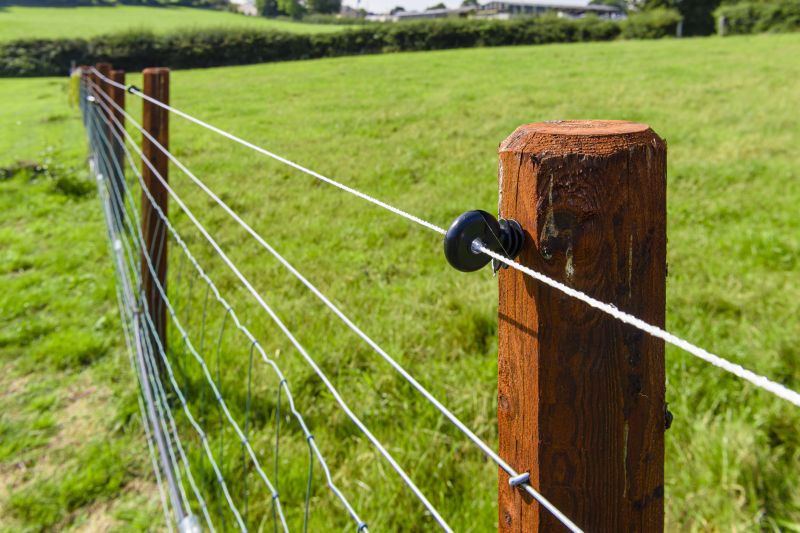
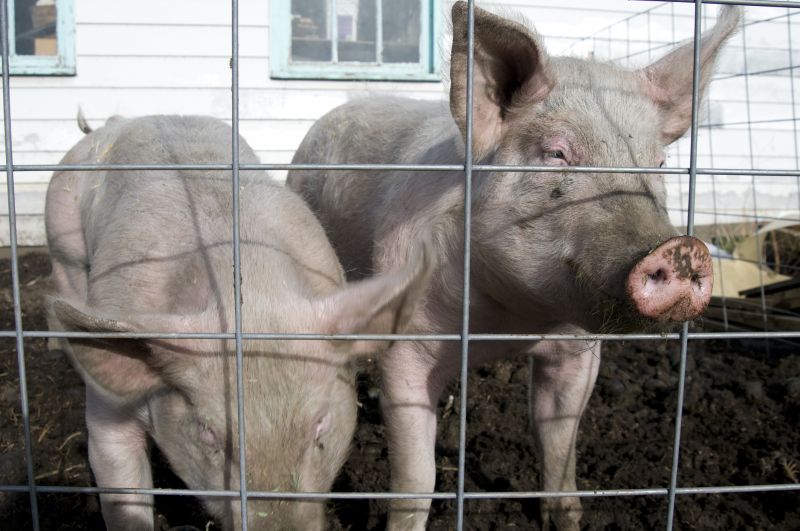
Livestock fencing installation is a common project for property owners who need to contain animals, improve security, or define property boundaries. Local contractors often handle these jobs when landowners want a reliable way to keep livestock safe and prevent animals from wandering off. Whether installing new fencing or replacing aging structures, property owners seek experienced service providers to ensure the fencing is sturdy, functional, and suited to their specific needs.
Many property owners look for fencing services after purchasing new land or expanding their current holdings. Others may need to repair or upgrade existing fences to better withstand weather conditions or prevent animal escape. Local fencing specialists are frequently called upon to provide practical solutions that help landowners manage their property more effectively and maintain a secure environment for their animals.
What types of fencing materials do local contractors install for livestock? Local service providers typically install a variety of fencing materials including wire, wood, vinyl, and electric fencing to suit different livestock needs.
Can livestock fencing be customized to fit specific property layouts? Yes, local contractors often offer customization options to ensure fencing fits the unique shape and size of a property.
Are there different fencing options suitable for various types of livestock? Yes, different fencing styles and materials are available to accommodate cattle, horses, sheep, goats, and other livestock.
What factors influence the choice of fencing for livestock enclosures? Factors such as livestock type, property terrain, and security requirements typically influence the fencing options recommended by local service providers.
Do local contractors handle both installation and removal of old fencing? Many service providers offer both installation of new fencing and removal or replacement of existing fencing as part of their services.
Farm Enclosure Projects - Property owners can have local contractors install fencing to keep livestock secure and prevent animals from wandering off.
Garden Boundary Fencing - Installing fencing around gardens helps protect plants from animals and defines property lines clearly.
Paddock and Pasture Fencing - Livestock owners may use fencing to create designated areas for grazing and managing animals more effectively.
Erosion Control Fencing - Fencing can be used to prevent soil erosion on slopes or along waterways, supporting land conservation efforts.
If you are thinking about Livestock Fencing Installation for a property, this guide is meant to help you understand the work, the typical project types, and how different options might fit your plans.
When you are ready, you can use the quote form on this page to share a few details about your project. From there, local pros can review the basics and respond with options that match what you have in mind.